
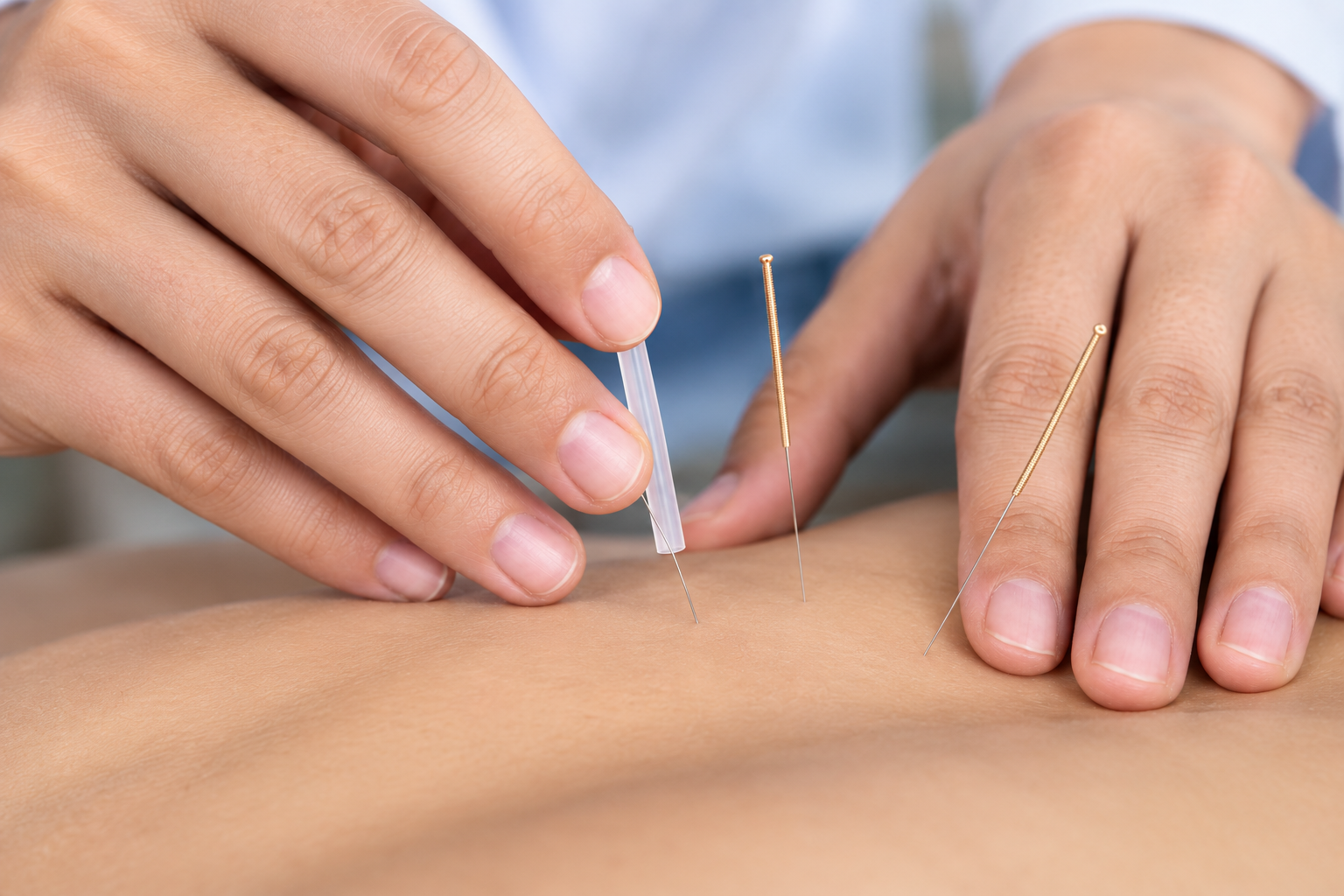
ACUPUNCTURE
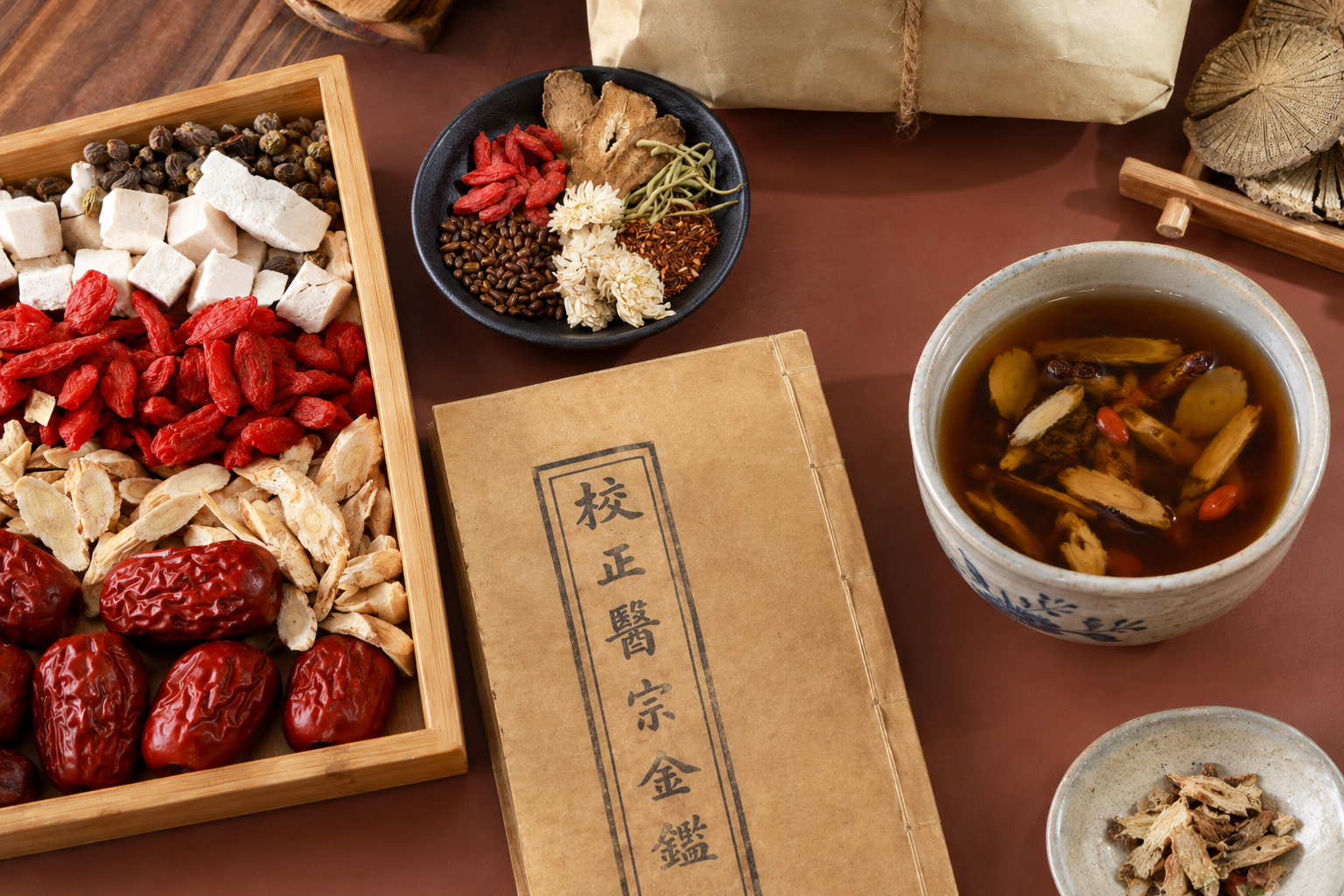
CHINESE HERB MEDICINE
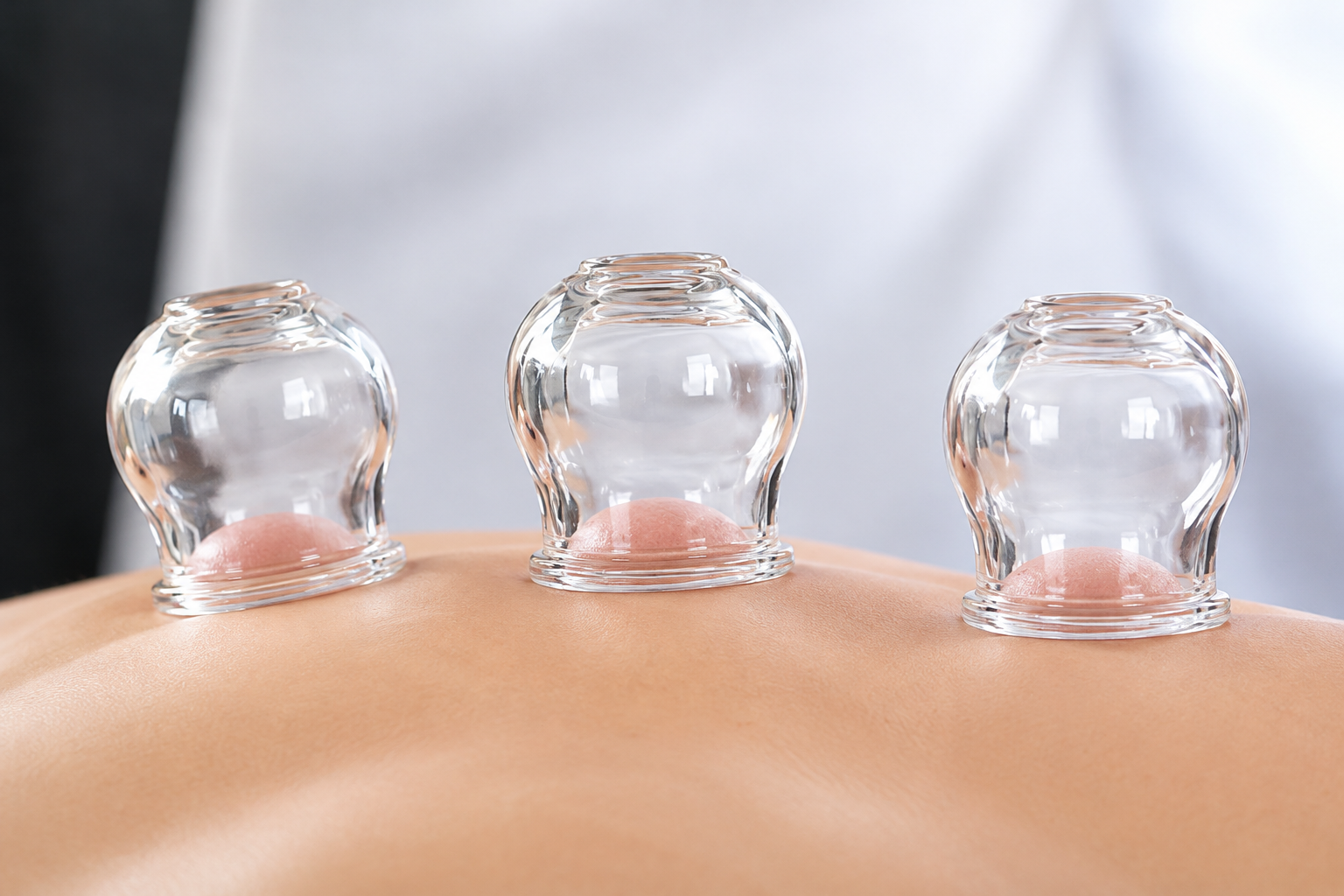
Therapeutic Cupping
Acupuncture
Acupuncture is a traditional healing practice that has been used for thousands of years as part of Traditional Chinese Medicine (TCM). It involves the gentle placement of very thin, sterile, single-use needles at specific points on the body.
At Rock River Integrative Health, acupuncture care is personalized to your health concerns, symptoms, and wellness goals. Whether you are seeking support for pain management, sports-related discomfort, fertility, or other health concerns, your treatment plan is tailored to your individual needs.
Our goal is to provide thoughtful, individualized care that respects traditional Chinese medicine principles while considering current health information and your overall well-being.
What to Expect at Your First Visit
Your first visit begins with a conversation about your health history, current concerns, symptoms, and wellness goals. This helps us understand your needs and determine whether acupuncture may be appropriate for you.
Your practitioner will develop an individualized approach based on the information you share and your treatment goals. If acupuncture is appropriate, thin, sterile, single-use needles may be placed at selected points on the body.
Experiences vary from person to person. Some people notice a brief sensation when a needle is inserted, followed by a feeling of relaxation. Please let your practitioner know if you feel uncomfortable at any point.
Before your appointment, feel free to bring a list of medications and supplements you take and any relevant medical information. Continue following your healthcare provider's advice and prescribed treatment plans.
How Does Acupuncture Work?
Traditional Chinese Medicine views health as a dynamic balance within the body. In this tradition, practitioners consider patterns of symptoms and the flow of Qi (pronounced “chee”), a concept often described as the body's vital energy.
From a modern scientific perspective, research suggests that acupuncture may influence the nervous system, pain processing, and other physiological responses. Researchers are still studying exactly how acupuncture works, and its effects can vary depending on the person and condition.
At Rock River Integrative Health, your treatment approach is individualized. We consider your health history, current concerns, and wellness goals when determining whether acupuncture may be appropriate for you.
Frequently Asked Questions
Areas of Focus
Pain Management
Sports-Related Pain & Injury Support
Acupuncture may be considered for sports-related muscle soreness, tension, and certain musculoskeletal complaints. Treatment is individualized based on your symptoms, activity level, and health history, with the goal of supporting comfort, mobility, and recovery.
Fertility Support
Acupuncture may be considered as a complementary approach during a fertility journey. Care is individualized and may be coordinated with your fertility specialist or other healthcare providers. Acupuncture does not guarantee pregnancy or improved fertility outcomes.
Explore Fertility Support →
Other Reasons to Consider Acupuncture.
People also seek acupuncture for concerns such as stress, sleep difficulties, headaches, and other symptoms. Whether acupuncture may be appropriate depends on your individual circumstances and the available evidence for the condition.
-
Acupuncture needles are very thin. You may feel a brief pinch, tingling, heaviness, or mild aching, but the sensation varies from person to person. Let your practitioner know if you experience significant discomfort.
-
Appointment length depends on the type of visit and your individual treatment plan. Your appointment may include time for discussion, assessment, treatment, and aftercare guidance.
-
The number of sessions depends on your condition, how long you have experienced symptoms, and how you respond to treatment. Your practitioner can discuss a treatment plan with you and reassess your progress over time.
-
Acupuncture may be used alongside conventional healthcare when appropriate. Tell your healthcare providers about the treatments you receive, and consult your prescribing professional before changing any medication.
-
Not every treatment is appropriate for every person. Your health history, medications, pregnancy status, and other individual factors may affect your care. Discuss these with your practitioner before treatment.
Acupuncture for Pain Management
A Personalized Approach to Pain Relief
Pain can affect daily activities, sleep, exercise, and overall quality of life. Acupuncture may help manage certain types of pain and musculoskeletal discomfort through an individualized approach based on your health history, symptoms, and wellness goals.
How May Acupuncture Help?
Traditional Chinese medicine views health through the balance and flow of Qi (vital energy). From a modern research perspective, acupuncture may influence the nervous system and the body's processing of pain signals. Research findings vary depending on the condition, and results differ from person to person.
What Types of Pain Can Acupuncture Help Manage?
Acupuncture may be considered as part of an individualized approach to certain pain conditions, depending on your symptoms, health history, and care needs.
Neck, Back & Shoulder Pain
Support for discomfort and muscle tension that may interfere with work, sleep, and daily activities.
Headaches & Migraines
Acupuncture may help reduce the frequency of some headaches and migraines for certain people. New, severe, unusual, or worsening headaches should be evaluated by a healthcare professional.
What to Expect
Your first visit begins with a conversation about your health history, current concerns, and goals. This helps us develop an individualized approach to care based on your needs.
The number and frequency of visits depend on your condition, response to care, and personal goals. Acupuncture results vary, and it may be used alongside other appropriate healthcare services.
Begin with a Conversation
If pain or muscle discomfort is affecting your daily life, an appointment can be an opportunity to discuss your concerns and explore whether acupuncture may be appropriate for you.
Joint & Arthritis-Related Pain
Acupuncture may help some people manage pain associated with certain joint conditions. It does not reverse joint damage, and results vary.
Sports-Related Pain
Acupuncture may complement appropriate medical evaluation and rehabilitation for some sports-related muscle and joint discomfort.
Other Musculoskeletal Concerns
Depending on the individual, acupuncture may be considered for discomfort associated with conditions such as sciatica, elbow pain, plantar heel pain, or muscle tightness. Appropriate medical assessment may be needed to determine the cause of symptoms and the right care approach.
Frequently Asked Questions
-
The number of sessions varies depending on the type and duration of your symptoms, your health history, and your response to treatment. Your care plan can be reviewed as you progress.
-
Acupuncture may help some people manage certain chronic pain conditions. Benefits vary, and it is not a guaranteed solution or a replacement for appropriate medical care.
-
It may be used as a complementary approach for certain types of sports-related discomfort, alongside appropriate medical evaluation and rehabilitation.
-
When performed by a properly trained and licensed practitioner using sterile, single-use needles, acupuncture is generally considered low risk. Temporary soreness, minor bleeding, or bruising can occur.
Acupuncture for Fertility Support
Personalized, Compassionate Complementary Care
The journey toward pregnancy can bring many questions and emotions. Acupuncture, rooted in traditional Chinese medicine, may be considered as complementary support for some people navigating fertility concerns. At Rock River Integrative Health, our approach emphasizes individualized care and works alongside appropriate medical evaluation and fertility treatment.
How Acupuncture May Fit Into Fertility Care
Traditional Chinese medicine considers a person's overall health and individual patterns when planning care. Some people explore acupuncture for relaxation and general well-being while navigating fertility concerns.
Research on acupuncture for fertility outcomes remains mixed. It has not been established as a reliable way to increase pregnancy or live-birth rates, so it should not replace fertility testing or treatment recommended by a qualified medical specialist.
Supporting Your Fertility Journey
Every person's experience is different. Acupuncture may offer a supportive setting for relaxation and well-being during a time that can feel stressful or uncertain.
If you are considering fertility testing, intrauterine insemination (IUI), or in vitro fertilization (IVF), acupuncture should complement—not replace—care from your fertility specialist. Current evidence does not establish that acupuncture reliably increases pregnancy or live-birth rates.
What to Expect
Your first visit includes a conversation about your health history, current concerns, and goals. This helps guide an individualized approach to complementary care.
If you are receiving fertility treatment, let both your fertility specialist and acupuncturist know about your care plan and any medications or supplements you use. Acupuncture and herbal products should be discussed with your medical team, especially when pregnancy is possible.
Frequently Asked Questions
-
Some people explore acupuncture as complementary care during their fertility journey. However, current evidence does not establish that acupuncture reliably improves pregnancy or live-birth rates.
-
Possibly, depending on your circumstances. Discuss your plans with your fertility specialist and acupuncturist so that complementary care can be coordinated with your medical treatment.
-
There is no single schedule suitable for everyone. Your care plan depends on your individual needs, goals, and circumstances. We can discuss these during your initial consultation.
-
No. Acupuncture should not replace fertility evaluation or treatment from a qualified medical professional.
-
Herbal products may interact with medications or be unsuitable during pregnancy. Discuss any herbs or supplements with your fertility specialist before using them.
-
Every fertility journey is different. If you are exploring acupuncture as complementary support, we welcome the opportunity to discuss your questions and help you understand what an individualized approach may involve.
Chinese Herbal Medicine
Individualized Care Rooted in Traditional Chinese Medicine
Chinese herbal medicine is a traditional approach that uses selected herbs and herbal formulations based on an individual's needs and health history. Within traditional Chinese medicine, herbal formulas may be used alongside other wellness practices as part of an individualized care plan.
How Chinese Herbal Medicine Is Used
Traditional Chinese medicine practitioners consider a person's overall pattern of symptoms and health history when selecting an herbal formula. Different formulas may be used for different needs, and recommendations should be individualized rather than based on symptoms alone.
Herbal medicine may be used as a standalone traditional approach or alongside other care, depending on the person's circumstances and the practitioner's assessment.
A Thoughtful Approach to Herbal Care
Herbal formulations are not one-size-fits-all. The herbs selected and how they are used depend on individual circumstances, health concerns, and other factors.
Safety is an important part of herbal care. Some herbs may interact with prescription medications, affect existing health conditions, or be unsuitable during pregnancy. Always disclose your medications and supplements, and consult your healthcare professionals before beginning an herbal product.
Safety and Personalized Guidance
Natural does not always mean safe for everyone. Herbs can cause side effects, interact with medications, or vary in quality and strength. Extra caution is important for people with chronic health conditions, those preparing for surgery, and anyone who is pregnant, breastfeeding, or trying to conceive.
Before using an herbal formula, share your current medications, supplements, allergies, and relevant health history with your healthcare providers. Do not stop or change prescribed medication without consulting the prescribing clinician.
Potential Benefits of Chinese Herbal Medicine
Traditional Chinese herbal medicine uses individualized herbal formulas as part of a broader approach to health and well-being. Depending on a person's health history, symptoms, and treatment goals, herbal care may be considered in several areas.
Digestive Health
Traditional herbal approaches may be used to address digestive concerns, such as bloating, appetite changes, and irregular bowel habits, based on an individualized assessment.
Stress, Sleep & Relaxation
Certain traditional herbal formulas are used to support relaxation and sleep. Suitability depends on individual circumstances, other medications, and the nature of the concern.
Women's Health
Individualized herbal care may be considered for menstrual concerns and symptoms associated with different stages of reproductive life. Fertility-related concerns require careful evaluation and appropriate medical care.
Energy & General Well-Being
Some traditional formulas are selected to address patterns associated with fatigue and reduced vitality. Recommendations depend on the person's overall health and should not replace evaluation of persistent or unexplained symptoms.
Safety & Professional Guidance
Natural products are not automatically safe for everyone. Herbal products can cause side effects, interact with medications, and vary in quality. Extra care is needed during pregnancy or breastfeeding, when preparing for surgery, and when managing ongoing health conditions.
Before using Chinese herbal medicine, share your medications, supplements, allergies, and relevant health history with your practitioner. Herbal recommendations should be individualized, and prescribed medications should never be stopped or changed without consulting the prescribing healthcare professional.
A consultation can help determine whether Chinese herbal medicine may be appropriate for your needs and whether coordination with other healthcare providers is advisable.
Acupuncture Fees
Initial Acupuncture Visit — $150
Includes a review of your health history and current concerns, an initial evaluation, an individualized treatment plan, and an acupuncture treatment when appropriate.
Follow-Up Acupuncture — $90–$160
Follow-up visits typically range from 50 to 90 minutes. The fee depends on appointment length and treatment needs.
Additional Services
Cupping and Chinese herbal medicine may be available when appropriate. Additional fees will be explained before treatment or before herbal products are ordered.
Payment & Insurance
Rock River Integrative Health is a cash-based practice and does not bill insurance directly. Payment is due at the time of service. Insurance coverage and reimbursement vary by plan. Please contact your insurance company to verify your benefits and whether your plan may reimburse you for acupuncture services.
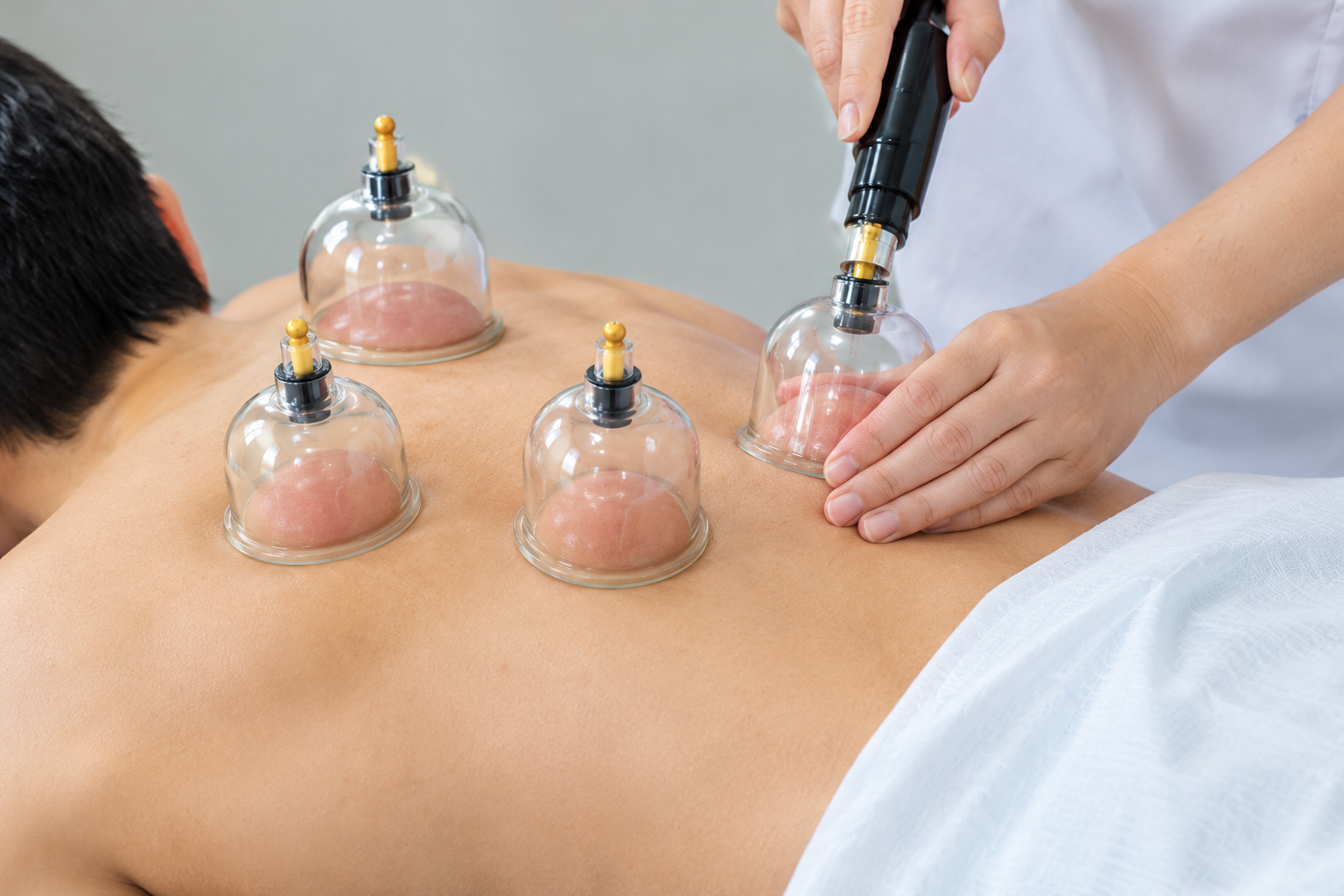
Therapeutic Cupping
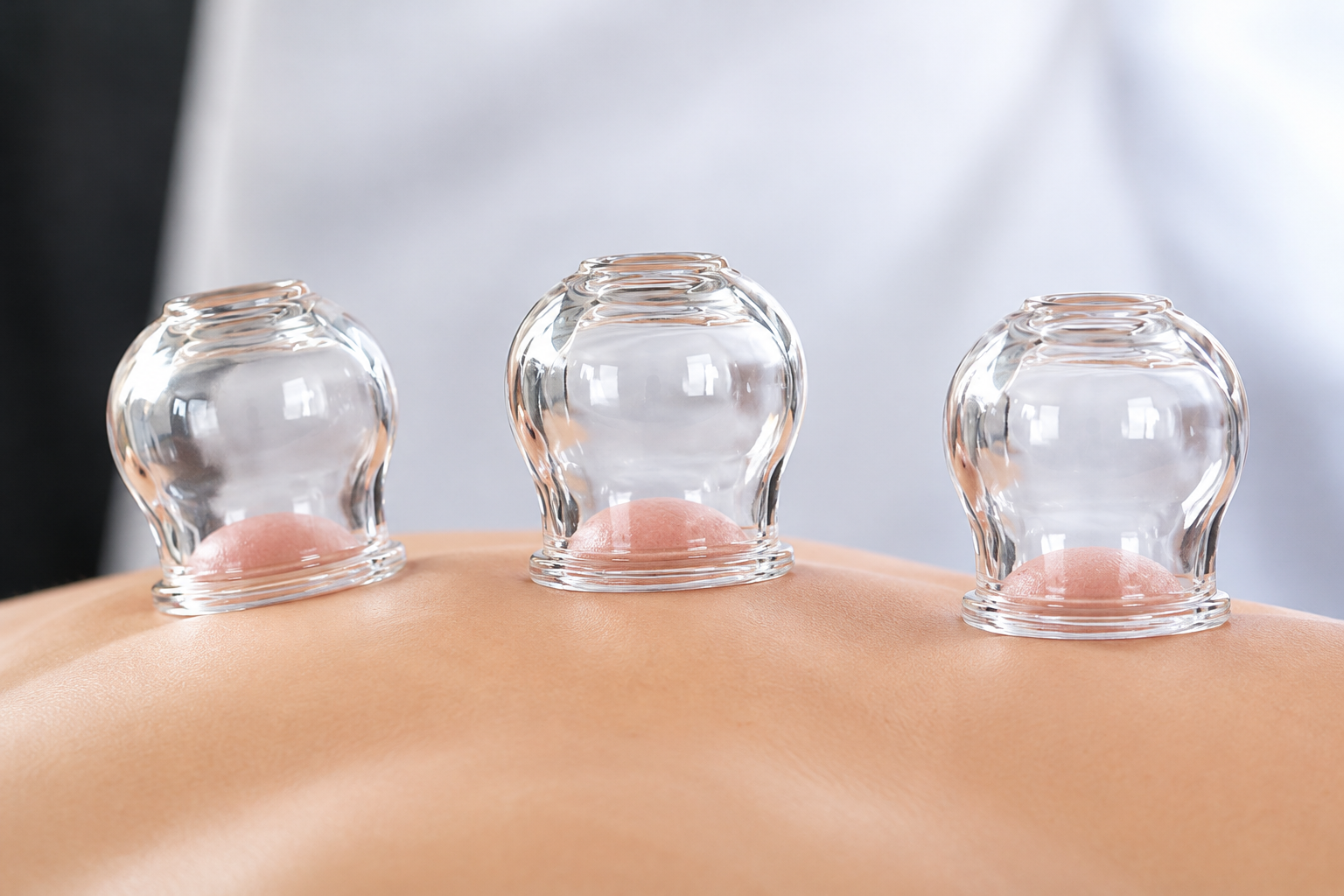
Cupping therapy is a traditional technique that uses specialized cups to create gentle suction on the skin. It may help relieve muscle tension, ease stiffness, and promote relaxation. At Rock River Integrative Health, treatment is tailored to your health history, concerns, and individual needs.
Potential Benefits
Cupping may be used to support:
Relief from muscle tightness and stiffness
Comfort and mobility
Relaxation and general well-being
Recovery following physical activity
What to Expect
Your practitioner will review your concerns and health history to determine whether cupping is appropriate for you. During treatment, cups are placed on selected areas of the body to create suction. You may feel a pulling sensation as the cups are applied.
Temporary circular marks or mild tenderness may occur after treatment and generally fade over time.
Individualized Care
Cupping is not suitable for everyone. Please share relevant medical conditions, medications, skin concerns, and bleeding-related concerns with your practitioner before treatment.